The lives of parents often center around their children—loving and supporting them; meeting their needs; helping to shape their identities; and instilling within them the values, morals, and life lessons we hope they will carry with them throughout their lives. Parenthood is not easy by any means, and it is so common as parents to feel as though we are just winging it at times. As we work to prepare our kids for living their lives in ways that feel right and successful for them, there are issues and topics that may need to be discussed with our children that we may not necessarily feel comfortable with or equipped to navigate. Sex and consent are issues that many parents, very understandably, do not feel comfortable even thinking about in the context of their kids—much less discussing with them or preparing them for.
Why is sex so difficult to talk about?
For parents, it can be difficult to think of children and teens as someday being ready for something as mature and intimate as sex. Sex can be a wonderful experience for some, but it also has the potential to be an extremely harmful experience for others—both physically and emotionally…the latter of which too many children and teens who have experienced foster care and adoption know all-too-well.
As parents, it is overwhelming to think of our kids as ever being exposed to, ready for, or interested in having sex, but the reality is that it will happen someday—whether we are ready for it or not.
Why it is important to talk about sex with your child who has been adopted?
When adoptees experience the trauma of familial separation, multiple placements, etc., it is not uncommon for the trauma and loss to impact and change their worldview. Whereas most infants and toddlers who maintain their connections with their birthmothers feel safe and loved and cherished, the losses an adoptee may experience lead them to believe that people who love them will always leave. When viewing life, experiences, and relationships through that lens—this can also lead to the development of a belief that love is conditional, always comes at a cost, and that something must be given in order to receive love.
For some adoptees—love is something they are in constant fear of losing. Some adoptees may fight against it and others may actively seek out any semblance of love and attention—sometimes without the existence of safe and healthy boundaries, and without the ability to distinguish between healthy and harmful connections.
Due to their lived experiences and other factors, some adoptees may have a distorted view of their own worth and value in this world. They may have never had the opportunity to learn and develop a belief that their bodies are worth protecting. If your child or teen doesn’t look like anyone else in their family or community, there is a possibility that they may experience racism and bullying within their school and community—which can subsequently impact their perception of and feelings about their physical appearance and their bodies.
Some additional factors that may contribute to the need for you to talk to your child or teen about sex are:
They may develop a belief that they are invincible to or lack an understanding of the potential physical/emotional implications or consequential aftermaths of sex (“it won’t happen to me”).
The losses experienced by adoptees are often profound and deeply felt. The impact of those losses can sometimes lead adoptees to pursue someone or something to fill the void created by the losses they have experienced in their lives. This may lead them to search for what they perceive to be love and connection anywhere they think they might find it, which can involve potentially risky and reckless behaviors.
The desire to create a family or a life they feel they never had is a common theme among children, teens, and adults who have experienced foster care and/or adoption. Though many adoptions are open—the level of openness can vary significantly. Some youth who have lost their biological connections may become fixated on having a baby in hopes of creating a biological connection to someone; giving to their child what they feel they may not have had in their life; and having the opportunity to love and have someone in their life they believe will love them no matter what.
Young people who have had very little in life to call their own—along with a distorted sense of self-worth—may develop a belief that their body is the only thing of value they have to give, rather than seeing it as something worth protecting.
Tips for talking with your child or teen about sex
It is important to talk to your kids about sex and to do so in age and developmentally-appropriate ways. Parents also need to be mindful of the potential impact of these conversations and the fact that some of these topics may be triggering for your child—depending on their complex trauma history. If you are unsure of how to these conversations may impact your child, be sure to consult with your child’s therapist prior to engaging in these conversations with them. It is also recommended that you communicate with your child’s therapist to let them know when these conversations happen so they can provide additional support as needed.
Included below are suggestions on how to approach and engage in these conversations with your child or teen.
Start early. The “good touch, bad touch” talk should start happening when your child demonstrates a basic knowledge and understanding of the concept of right vs. wrong and has an awareness of their body to the extent that you can talk with them on a very basic level (cognitively and developmentally around 3 or 4 years-old) about which body parts are inappropriate for other people to see or touch, who is allowed to see those body parts, and in what context would it be appropriate for them to do so (i.e., a pediatrician during a well-child appointment—and only when a parent is in the room, etc.). It is important to use appropriate names for body parts when having these conversations with your child. A natural time for these discussions to happen would be during bath time or when you’re helping your child get ready in the morning or for bed.
“No” means “no”, and “stop” means “stop”. This is a message that can be instilled in your child in various ways, starting from when they are very young. For example, if you are having a tickling match, the moment someone says “stop”, everyone should stop immediately, and then be done with the activity. Around the time that your child reaches puberty is typically a good time to shift the consent conversation to understanding the importance of respecting their partner, their partner’s body, and their partner’s right to say “no” or “stop” at any time and at any point during their relationship.
Teaching respect and acceptance. Respect for themselves and for others is something that most parents work to instill in their children. This should include discussions around the right to say “no” to things like sex, peer pressure, etc., and the right to be involved in making decisions for themselves and their bodies. These discussions should also focus on the importance of embracing diversity and the things that make each person unique, loving the body/skin they’re in, and treating others with respect and kindness. Talk to your child or teen about issues like images they may see in the media and social media; lyrics they may hear in songs; the potential implications and consequences of sharing images of other people on social media or through text messages—especially around the issue of sexting (regardless of whether or not consent was given), etc. It is important to include race, culture, gender identity and expression, sexual orientation (including asexuality), religion, socioeconomic status, etc. in these conversations as well.
Talking openly about love and relationships. It is important to talk to your children and teens about what love is and isn’t (be mindful of respecting and honoring your child’s birth family within these conversations), what it means to be in love with someone, what it means to love and respect your partner, the ups and downs of relationships, what an equal partnership might look like, etc. Children and teens can get embarrassed pretty quickly when talking about liking someone, dating, and relationships, so it is important to find a way to have these conversations with them in ways that are respectful, lighthearted when possible (not teasing), lowkey, and don’t shame or embarrass them for showing interest in someone or for choosing to be in a relationship. If you have a partner, you can model for your children what love and a healthy relationship can look like. Share in responsibilities as a family. Show affection towards each other (in appropriate ways). Show them the importance of making mistakes, having disagreements, holding each other accountable, and taking steps to repair harm that may have been done, and work together to heal. Apologize to each other and to your children when needed. Your children need to see that parents do get it wrong sometimes and need to apologize, too. Support and respect each others’ decisions, back each other up as parents and partners, and work through issues together whenever possible. Make sure your children are aware that there may be things that bother you or that you don’t particularly like about your partner, but the love and respect are still there. Your children need to know and see that perfection shouldn’t be the goal of their relationships—that imperfections within individuals and relationships are normal, important, and should be embraced and respected whenever appropriate and possible to do so.
Talking about sex. Many children and teens learn about sex long before their parents are even aware or are ready to have “the talk” with them—often learning about elements of sex from their peers, movies and television, social media, etc. Talking to your child or teen about sex doesn’t have to be a big production, nor does it have to be an uncomfortable or cringeworthy experience. The conversations can be lighthearted or more serious—whatever works best for your family, depending on what aspect of sex and sexuality you are discussing. It is important to not stigmatize sex or frame it as a shameful act or something your child needs to hide from you or be embarrassed about. Talk to your child about the importance of waiting until they and their partner are ready. Make sure your child understands the importance of protecting themselves and their partner when they have sex, and what that can mean (protection from STDs, contraception, consent, etc.). Regardless of your child’s sex or gender identity—talk to them about pregnancy, what their options could be should they or their partner become pregnant, the importance of accountability and being responsible for the choices they make, etc. The more you talk about elements of sex, sexuality, sexual safety, safe and healthy relationships, etc. with your child, the conversations will become easier and feel more natural for everyone involved. Approach these conversations in ways that work best for your child and your family as a whole. It is important to not avoid having these conversations with your child, as they will hear about sex from someone—and it’s better they learn about it from you. Focus on the physical and emotional safety of your child and their future partners and try to avoid fear-based, judgmental, or shaming language or tactics when talking about sex with your child or teen.
Whether we, as parents, like it or not, the decision of whether or not to have sex and when our children feel ready to do so will ultimately be up to them and their future partners. The best thing parents can do for their children and for their future partners is to prepare them so that they are able to make safe, responsible, respectful, mature, loving, and informed decisions when they choose to take that step in life.
I received a request for my latest social media post to be turned into a profile frame for Facebook, etc. Unfortunately, Facebook is not currently allowing for the creation of new frames, but I do want to make these frames available to you for your use. If you choose to add these to your social media profile, please do not crop my blog name out of the photo whenever possible. If you are unable to add it without cropping my blog name, please be sure to credit my blog and/or tag my blog social media profile (Facebook, Instagram) when posting!
Everyone seems to have their own opinions about healing.
And I find it so incredibly harmful and frustrating when someone attempts to project their experiences with and beliefs about healing onto others because they have healed and have moved on from their traumas and expect others to do so as well.
Here’s the thing about healing.
Healing is so incredibly personal and unique to each person, and we have no business telling another person how they should heal or dictate a timeframe in which they should do so.
As adoptees, we all may have experienced trauma, loss, and adoption—but we have all experienced these at different times and in our own ways.
If you have done your healing and you are in a wonderful place, I am truly and genuinely thrilled for you.
I wish that for everyone who is healing from their hurts with every fiber of my being.
If you are just beginning your healing journey or are working towards a place of healing—I stand with you, I support you, and I honor and respect where you are in your healing journey.
I am not a mental health professional, nor have I received the training to qualify as someone who can advise anyone on their mental health or their healing.
I have lived experience as an adoptee and have worked in child welfare and adoption for over 15 years. I am also a survivor and volunteered as a sexual violence crisis advocate for over a decade. I am a mental health warrior.
And I share only about my experiences and my truths—both personal and professional—and what I have learned along the way.
I fully support and advocate for the amplification and centering of adoptee voices.
And I always will.
However, I believe that I also have a responsibility to provide support and advocate in responsible ways.
That means speaking on what I know and what I know to be the truth. It means speaking my truth in ways that are authentic and true to my experience. It means not providing support or advice that I am not trained nor qualified to give.
Please continue to share about your joys and successes so we can celebrate you and celebrate with you.
Share your voice so we can support and amplify your truths and your lived experiences.
But, please do not share about your accomplishments or your healing in ways that belittle others and insinuate that others should be further along in their healing process.
If you truly want to support adoptees, then you need to support us in our need to heal in our own time and in our own ways.
Though I am in my late 30’s, I didn’t start exploring what it means to be an adoptee until 8 years ago. It has been less than 8 years since I reached a place of being able to acknowledge and begin the process of working through my trauma experiences. There is a whole lot of healing that I still need to do—and I am nowhere near where I need or want to be in that regard.
And nobody has the right to dictate to me how that healing should happen or how long it should take.
Healing is a lifelong process.
Healing is not linear and does not project in a forward motion at all times simply because we want it to.
There will be setbacks. There will be days when we take one step forward and two steps back.
Healing is not pretty. It can be an ugly and extremely painful process. We lash out at others. We push others away. We hold others too close.
We immerse ourselves fully in our traumas because they have been the one constant in our lives that have been so full of loss.
Some days we fight our battles loudly. Some days we fight just to exist.
There will be moments in which the wounds we thought had already healed are torn open by new traumas or something that has triggered past traumas.
Rather than judging others for the ways they choose or are not able to heal, we need to provide them with the grace and support they need and deserve.
Because that is their battle, their truth, and their healing journey—not ours.
And, no, I am not saying that we need to save anyone or that anyone needs to be saved. That is not who I am or what I have ever been about.
However, I am saying that we need to acknowledge and respect where we are in the healing process and walk alongside each other—not push each other to be where we think each of us should be.
We are not going to heal the way you want us to. Healing doesn’t work that way. We are going to heal in the ways we need to. And we are exactly where we need to be.
I was recently invited to be on a show called America’s NEXT Motivator—created and hosted by fellow advocate, Cedric Riley. My first recorded interview! Cedric was an absolutely wonderful host, and I truly appreciated and enjoyed our conversation!
Included below is a transcript and the audio from our interview. Please click on the image caption below to access the audio from the interview. FYI—My internet was not cooperating that day, so please excuse the connection issues and how nervous I was!
AMERICA’S NEXT MOTIVATOR: Welcome home! Where we provide information, inspiration, and motivator after motivator after motivator here on Americas Next. I have Christina Romo here with me today. How are you doing, Christina?
CHRISTINA ROMO (a.k.a. DIARY OF A NOT-SO-ANGRY ASIAN ADOPTEE): I’m good! How are you?
ANM: I’m doing quite well! I want to say hello to everybody who are—who are—who is tuning in right now and who’s going to tune in in the future. I just wanna say thank you for the community that we’re building, and I want to welcome you. How’s everything going with you, Christina?
CR: It’s going well! I mean, I’m just working from home so, you know, like everyone else—just surviving, and—you know. [laughs]
ANM: So you’ve—you’ve been on the computer quite a lot lately, right?
CR: Yes…Yes. [laughs]
ANM: How did—how did the virtual age impact the work that you do?
CR: Um, I mean, for the work that I’m doing now, I’m able to do everything just online and electronically and by phone, so it—it’s not impacted it too much. Um, I actually went from doing a job where I was, like, completely out in the field and just, you know, meeting with young people—during the pandemic—and then, um—and then switched to an at-home job kind of during that as well. So, I’ve not actually, like, met many of my coworkers in person yet, so it’s been interesting, but, um yeah, I’m just thankful to have a job and to be able to do what I’m doing, so…
ANM: Absolutely. Christina, where are you from?
CR: Um, so I was born in South Korea, and—and was adopted from there, um, they say I was 2, I—I may have been as old as three. And, um, I was adopted by—transracially—by a family in Minnesota. Grew up in a kind of—a predominantly white area and, um, city and—I have an older sister who was adopted as well and my younger brother who is my—or who is my parents’ son my birth.
ANM: Mm-hmm. That already sounds like an incredible journey that you’ve been on. Um, you—you—you came from miles and miles and miles away and created a whole life here in America. And based on the conversation that we’ve already had so far, you grew up to have a positive impact on the lives of other young people who are in the system. And so I just—I look at that as very very positive, you know, coming from South Korea to America and growing up to impact the lives of children and families here in America is no small deal. It’s no small deal at all. Now, what was your life like growing up with your siblings?
CR: Um, you know, I—I was very—I was fortunate in that I, you know—I lived a pretty privileged life and, um, you know, didn’t want for anything or anything like that. And—and, you know, I—I was adopted at time where the message was very much, you know, “Just take, you know, take your child home, love your child, and that will be enough.” And—and so I—I think my—my parents did as well as they could with the information that was out there—there was not nearly as much information back then as there is now. And so, I think—I think I was probably more impacted by my just being an adoptee and being, like, a handful of children of color in the school that I went to growing up and in my community. And so, I was also just super awkward and just, like, really shy so it kind of—I think it made for a pretty easy target, I think, you know in terms of kids who kind of didn’t know better. Um, so it was—it was definitely a challenge, you know, growing up, and—and I adjusted well in some ways and then others I just struggled a lot, like, emotionally and just with kind of the losses and just being different and not fitting in and everything. So yeah, so it was—it was interesting, but, you know, I was very close with my family then and very close to my family now, and—and, so I—yeah.
ANM: Right. When you talk about how you—you felt like you were the other, you felt like you were different than your peers, different parts of your life—I think that’s a part of your story that so many people can relate to. People who might have been adopted or might not—people who just lived—lived a different life can still relate to the concept of feeling like they’re the other person. They’re somebody who didn’t necessarily grow up there from generation to generation and, you know, now that you gotta deal with the adversity of not being a part of the “in” crowd, at least at first. So when did you—when did you really start to realize that you were potentially the other in the environments that you were in?
CR: I mean, I think I always felt it. Um, my—again, it was—it was just kind of the times. Like, my family—we didn’t really talk about things like race and adoption, although my sister and I always knew that we were adopted. Um, but I mean certainly going to a school, um—we went to a private Catholic school, so kind of everyone knew everyone’s business and we grew up with, like, the same people for, like, 9 whole years. And—and so I—I think it was—it was definitely, um—you definitely feel different and you’re maybe treated a little bit differently being somebody who doesn’t look like everyone else. And—and I also was just a really sensitive kid, so I think—I think that just kind of added to—just the challenges there. And then when I went to high school, I actually went from, um, going to, like, a private Catholic school for nine years of my life to going to—to going to a public high school. Um, a very large public high school—I think my graduating class was 800 kids or something, so that was huge shock. But still, it was, there—there were only a handful of, you know, students of color there. And so I—I think, you know, when I was a teen, I really, um, kind of got to this place of—some of it out of, you know, just—out of necessity and just wanting to just survive it all…just kind of rejecting my Asian identity. And more so just—I guess feeling and acting white, you know, growing up. And I remember my school had, like, these multicultural clubs and things like that, and they would always slip things in my locker and I would just, like, tear them up right away. ‘Cuz, um, I didn’t want to be the different person, so—and I also grew up in a town that’s—it was, um, it definitely was…I-I-I’ll just say it. I mean people were pretty racist there and pretty, like, close-minded, and—and there was actually a group that was at the high school and they were called, like, All American Boys, and they were kind of a modern day, like, neo-Nazi/KKK Group and burned crosses on people’s lawns and stuff like that. So, it was—so part of that, like, needing to just blend in and rejecting my—my Asian identity was also just out of needing to survive it and not stand out.
ANM: Right. Wow, ladies and gentlemen. Not—not to—not to be funny, but you guys ever been watching the news or a broadcast, and when you get into serious subject matter the news anchor always has to take a moment and straighten his papers up? So I just grabbed some papers and I’m gonna straighten them up—I’m gonna straight my papers up. So, you know, when we talk about racism quite often we think about the usual parties. We think about White people and we think about Black people, and—I appreciate your transparency today, and I appreciate your honesty, and the perspective of what you also went through. And so, we know that your whole story wasn’t full of adversity, but there was an adversity, and that is—that one of those big adversities was that you felt the need to reject your own identity. And, not only can I personally relate to that, I believe that thousands and thousands of young people across the country can identify with the period in their lives where they wanted to reject their identity. And—and so I want to make this into a victorious moment for people out there. We got 440,000 youth in the foster care system right now in America—most of them, I venture to say, are going to deal with rejecting their own identity at one point or another. What were your—what were your conversations like with your parents or friends or a higher council about identity rejection, if any?
CR: I mean, honestly, I—I didn’t really talk to anybody about it. It’s—you know, for me, like—it’s kind of hard to talk to somebody about a struggle that they were not experiencing themselves, and I think also just as an adoptee, like, part of me just wanted to protect my parents from, like, what I was experiencing. And so—so I didn’t really make it a thing. I just internalized all of it and just—and you know—and that itself kind of, like, backfired because I—you know—I struggled with a lot of, you know, mental health issues and so I—I think…Yeah, I didn’t really have a place to just process it and didn’t really feel like it was okay to do that. And it—that was kind of my own self-imposed belief. It wasn’t ever something that was told to me.
ANM: I think—I think it’s also natural, you know? And this is deep to me because I—I experienced that same series of emotions—that same process of you’re going through something usually at school or in the community. But you want it—you want to protect your relationships. You don’t—you don’t want to put a bad taste in your parents’ mouth. You don’t want to start the pot—which you deemed to be unnecessarily and so you hold on to things. And—and those things began to sort of build up on the inside and it leads—it leads to anxiety. It leads to, uh, angst and it boils down to coping skills, you know? Did you develop any positive coping skills to deal with this situation?
CR: Um, I think—I think my outlet really became just writing. Um, I’ve always been a lot better about just writing my feelings and my thoughts than actually, like, talking about them. And so that was always just, like, an outlet for me. When I was younger I would write poetry and—and you know, it—it just kind of—I never had a journal really, but I would just take out a piece of paper and just write something down. And—and so I think that just kind of brings me to where I am now and really doing a lot of writing to not only process my own journey but really help—help parents, you know, better understand what their—what their children might be going through, and how to better support them. And also really, kind of, naming things and putting things out there that, you know, other—other adopted people might be feeling and experiencing as well. And so I think—I think what really helped me get to a point of being able to embrace my identity and be proud of it was—was really when I went off to college and started a family. And, I—it was a really interesting situation in college ‘cuz I went to college where—in an area that was pretty diverse, and I did that purposefully. And, you know, that school had different—different groups for your race and culture. And—and I really didn’t—I was more rejected by Asian people because I didn’t—I didn’t know my language of origin, I didn’t have any connections to it, I didn’t know my culture. And—and so you kind of experience these situations where you’re treated like you’re not Asian enough, so yeah—
ANM: Wow. Hold on. Let’s—let’s expand this for a second. When you say—when you say that you—that you pretty much felt trapped between—between ethnicities, you know, that means that you were—you were in a gap where you could have, I mean—you could have failed in that gap. You could have—you could have had such an emotional problem that we could—we could possibly not be seeing you work the way that you work today and do the things that you do today. Because some people never come back from being in that gap. Like, if I’m not accepted over here, okay, I’ll try it over here. But if I’m not accepted anywhere, then I have to deal with the unnatural reality that nobody wants me. And for some people that’s too much, but what I’m hearing from you is that you were strong—you were strong. You internalized things and you—you transmuted that energy into something positive. Now, Cordell Davis, is here also, and he asks, “What was the coping mechanism that you used when you felt alone?” And you mentioned writing a couple minutes ago, so I wanted to expand on that a little bit. Can we use writing in a more creative way to assist in the child welfare space? Talk about it.
CR: I—I, you know, definitely think so. I mean it’s—it’s what I’ve been doing for the past, I think it’s been like eight or nine years, and really just—it’s been my way of being able to advocate for reform and advocate for adopted people. And, you know, people who have experienced that loss of their families—their first families—loss of their identity. And—and I think through writing I’ve been able to not only—you know, it’s been a very cathartic process in which I’ve been able to, you know, process kind of my own journey and what it has meant to me, you know, to be an adoptee. But I’ve also been able to kind of harness that and use it to help educate other—other parents and kind of help give their kids a voice until they are able to verbalize, you know, where they—where they are. And—and kind of make it—hopefully help parents create, like, a safe space for their kids to be able to kind of have those conversations. And—and for parents to be able to be better positioned to support their kids in ways that, you know, a lot of—a lot of adoptees that are my age and older, like, we didn’t necessarily have that because the information wasn’t out there, and the resources weren’t out there, and—
ANM: Right. That’s right. This is outstanding. Let’s zoom in on this part of the conversation right here, because I would like to co-champion this with you. I also believe that writing is a huge, huge, huge potential ally for foster care, adoption…Also, my mom is here in the building. When we talk about writing—I was also adopted—my mother and I began to exchange letters. And when we—when we couldn’t verbalize what we wanted to say, we would write letters to one another. So not only am I championing—championing this with you, because I believe it’s a good idea, but that also took place in my life. The element of writing can enhance child welfare for several reasons. You are acknowledging that maybe you can’t put it into words at first, maybe you can’t verbalize it, maybe you don’t—you don’t have the courage to just be outspoken about what you’re going through. But there’s something that is just quieter about writing, and my take on it is this—in order to write the hallway of your perspective the hallway of your personality, it has to be cleared a little bit in order for you to write clear thoughts and in order for all stocks to add up to something that makes sense. So in order for you to write, you have to do some of the mental and emotional work of clearing the space. Now, when you go—when you sit down with the counselor and they’re like, “I want to help you get to a new place in your life. Let’s work on, you know, clearing your mental space.” That sounds abstract. It sounds complicated. But if I hand you a piece of paper and ask you to express yourself—guess what the first day, you might not be able to do it. Because you’re intrinsically doing that work. You’re moving things around in your head. You’re moving things around in your heart without people asking you to. By the time you get to writing letters back and forth, you’ll be a whole new person. And I think that’s where writing can assist in the relationship-building process and child welfare so I totally agree with you.
CR: Well, and I—I think there’s a misnomer out there, too, that—that in order to share your story, you need to do it verbally. And one thing that was taught to me by—by people who had experienced foster care was—was really, you know, you—there are so many different ways to share your story. And it’s really about focusing on what your strengths are and using that to share in the way that feels best and most comfortable for you. Like, I’ve—I’ve known young people who have shared their—their stories through dance, through music, through artwork—and it’s so powerful. I mean, everyone—everyone has their own way that works for them, and so—so acknowledging and really embracing that, I think, is really a huge thing and really important for our young people to be able to have a place to kind of process, and get their story out, and work towards healing as well.
ANM: Isn’t it beautiful when people begin to tell their stories? And I’m not just talking about the children. I’m talking about the parents, community members…When people begin to tell their stories, the world becomes a better place. The world becomes a more transparent place. It becomes a more understandable place when we start to tell our stories. And so that’s pretty much what we’re doing here on this show is—we’re telling our stories. Now, can you talk to us about some of the—some of the positive memories that you have of growing up? What—what’s one thing that—that really sticks out to you growing up that was really fun, or creative, or positive that you did with your family?
CR: Yeah, we—we did a fair amount of traveling and, you know, took some great trips, you know, to different states and different kind of sites. And so those were always really memorable and enjoyable experiences. And—and I think we were very traditional in many ways. And—and even just the act of just being able to just—sitting down and, you know, having a meal together, and then just checking in about each other’s days, and—and things like that. I think all of that was just very meaningful and memorable for me, and—and definitely things that I’ve—I’ve tried to carry over into my family now, you know, with—as parents, and you know, with my kids and everything, so—
ANM: Sure. If you could talk about one trip today, what would it be? What happened, and what did it look like?
CR: You know, I think it—I was actually reminded of it, you know, not too long ago. Just—there was a situation and some relatives and—we all kind of got together and…you know, we had all gathered for a family reunion in Colorado. And it was just—and all of us were there, and we just—there were a lot of videos and just fun moments. And, like, my—my dad’s family is Italian, and so just very expressive and just very—very, very fun and so—so that’s always a memorable trip that we had and something that I’ve carried with me for sure.
ANM: I’ve heard that Colorado has some of the most beautiful skylines, some of the most beautiful mountains, and just nature reserves in America. Did you see any of that?
CR: Yeah, yeah absolutely. Well, my—my sister, she used to actually live in Colorado, too. So—so we were kind of closer to the Colorado Springs area for that reunion, and then my sister—she lived kind of closer to Denver. So, being able to kind of experience the two different parts of Colorado was great, too, so…but, yeah, it’s absolutely beautiful there. The only thing is just—adjusting to the elevation. [laughs]
ANM: Right. Oh! What was that like? The elevation—now, they say the higher you go, the harder it is to breathe. Is that correct?
CR: Yeah, yeah it is. And I—I think it just affects other people differently, and yeah, it’s definitely a different experience. I think you acclimated—acclimate to it pretty quickly, but it does take a minute. [laughs]
ANM: Ok, alright ladies and gentlemen. We’ve got—we’ve got also to look forward to traveling around the United States of America. We have some very beautiful places here in America, and I know when we think about traveling, we often think about going out of the country. But, there are some very beautiful places here in America. Colorado is one of the places that I’ve heard is just absolutely breathtaking, depending on the time of year that you go and what you go to see. There are some great concerts that happened in Colorado, and just a lot of life culture happens in a place like Colorado. And the reason why I’m expanding on that is because, for me growing up in Cleveland, Ohio—we never really talked about Colorado much. But as I got older and I began to go to different places—I’ve come to hear that it’s a great place to go. Everybody, be encouraged to explore the United States, you know? Have you been to other places in the United States that you thought were worth mentioning today?
CR: I—I have. My…actually, my—my first job out of college, I did a fair amount of traveling, and so—so it kind of took me all over the place. And I would say, like, one of my favorite places to go was—was actually not in the U.S…It was Canada. Like, loved Canada. I went to Ottawa and Toronto there, and—and both were just beautiful. And—and I can’t really put my finger on a place in the U.S. that really stuck out to me, but I’ve been very fortunate to be able to experience different places.
ANM: Okay. And, um…You—you’ve got a guitar in your background. Who plays that guitar right there?
CR: Um, so my—my husband and my youngest son play guitar. Yeah, we’re a pretty—pretty musical family. So, yeah, they’re…I—I do not know how to do anything on the guitar, besides play, like, “Hot Cross Buns” or something. [laughs]
ANM: Right something very simple—very very simple. Ladies and gentlemen, we are having a conversation with Christina Romo about her journey, and I’m enjoying it. I love the parallels, I love the contrast—and it’s all a big discussion. So, we’ll be right back after this brief message. Sit tight.
[Mid-show break]
ANM: And we’re back! Christina, how you feeling out there?
CR: I’m good! How are you?
ANM: I’m doing great—I’m doing great! So, now, what—what school did you go to?
CR: Um, for grade school or for high school?
ANM: For college
CR: Oh, sorry! [laughs] I went to Hamline University.
ANM: What would you say—what would you say was the biggest thing that you took away from college?
CR: You know, I—I did not have your typical college experience. I actually—I met my husband there, and—and we ended up…ended up getting pregnant, and we ended up getting married. And that was, like, the beginning of my—my second year of college. So I—I spent most of my time in college, you know, being a mom and adjusting to being a wife and—and all of that. So it was a very different experience. I do feel very—very fortunate in that I had a lot of supports and particularly—particularly from the school. I went to school full time and I also worked part time at the school, and so there were definitely days where my—my husband I, we—we tried to stagger schedules, so each of us could be at home with our—with our son. And there were definitely days where I needed to bring my son to school with me and bring my son to work with me, and I was—I was always very supported in doing so. And so, yeah, it was—it was a very, very different experience. And—and looking back, my husband I—we sometimes kind of wonder how we did it. [laughs]
ANM: I’m over here—over here thinking that, you know, as the story goes on, I’m—I’m seeing more and more clearly that you’re actually a warrior. That, you—you know, throughout the course of your life, you—you dug deep. And the challenges that you faced are not unlike everybody else in America, and so when you say—when you say that you had your child in college, I’m thinking, “How did you get through it?” Because for a lot of us, when we have children in college, it’s like—hey, sometimes people never make it back to school, you know? And it becomes—it becomes a circumstance where you’re like, “How do I—how do I get through this situation?” So let’s make this an opportunity for a case study on how you made it through college with a baby. What did you do, specifically?
CR: I think I—I was very—very, very fortunate to have, you know, a lot of support from my professors, and from my—my boss at work, and from my family…definitely my family. And—and I—I will say that, when I had my—my oldest son, like, that was the first time that I had met someone that I was biologically related to, and so it was a very—
ANM: Hold up—hold up! When you had your son, that was the first time that you met someone you were biologically related to?
CR: Correct. Yes.
ANM: See? This is why I said that you were a warrior. And what I mean by warrior is that you’re somebody who’s been through a lot, and while you might not look like what you’ve been through, you were probably at least 18 years old—I mean, how old were you when your son was born?
CR: Um, I was—I had just turned 20.
ANM: Yes, 20—20 years old before you could say, “I have a biological family member here with me.” You know, that’s an incredible—that’s an incredible journey right there. And, continue—continue with the story. Go ahead.
ANM: [Laughs] Right. Yeah. So, for all—for all the people out there, you know—what I’m hearing is that you’re definitely going to lose sleep. Which is—that’s just a part of it. You’re going to lose sleep, but also and, before you—before you get into fight or flight mode and potentially choose flight mode, have a conversation with your professors. Have a conversation with your parents, and have a conversation with your job. Because as Christina pointed out, that relationship with her employer, her professors, and her parents were all supportive. So make sure, if you can, that you see what support you can get from those aspects of your life—if you happen to have a child while you’re in college. And, of course, you will never sleep again. How can I say this—you took your last nap, but you’ll get—you’ll get through it, you know? And, what was—what did you major in?
CR: So, yeah, I think it was just a very life-changing experience to be able to, like, look into the face of someone who looks like you, and that you share DNA with. And—and I think, you know, in that moment, I just wanted to be better, and I wanted to be the kind of mom that my—that my first mother wasn’t able to be for me. And so it was—it was…so part of it was just my own determination and part of it was, you know, just wanting—wanting something different for—for my family. And—and so I—I think it was just…yeah, I—I to this day, I don’t know how we did it. I don’t know how I ever got sleep or anything, but— [laughs]
CR: Um, so I majored in—I double-majored in Sociology and Criminal Justice.
ANM: Okay. Now, when you—when you had a child, did that—did that make you reflect more on the bond between parents and children? And did you connect that to child welfare?
CR: Um, you—you definitely have a different—a different appreciation for, like, what your parents did for you. And also, I—I don’t remember my—my birth mother. And so the, you know, kind of—what I know of that situation, I—I think I’ve definitely had a lot of things to grapple with, but it definitely also helped me to look at the situation from a different place, and just—just kind of knowing how difficult of a situation it must have been for her. And—and so just kind of having a different perspective on that—that helped me as well. And, to be honest, with child welfare—I didn’t intend to go into child welfare when I went to college and when I chose my major. I just kind of landed in it, kind of serendipitously, I guess. But, yeah, I certainly think that, you know, being a parent has kind of changed the way that I’ve—or has impacted the way that I’ve approached my work, for sure.
ANM: Absolutely. You know, when you have children—by the way, I have children as well, ladies and gentlemen, and today is my daughter’s birthday, so—
CR: Aw, happy birthday—
ANM: Happy daughter, happy daughter day, and happy birthday to my daughter. You might hear her in the background. She’s overwhelmed with enthusiasm because she’s been getting gifts and phone calls all day. But I’m—I’m raising awareness about the substance of love between a parent and a child that you come to know when you have a child and be reminded that that substance is something that everybody deserves to know. Everybody deserves to know the substance of love. And when it comes to youth in the foster care system or adoption, that substance can come by way of an unconditional commitment and unconditional relationship where you invest your all into this child or this child invests their all into you. So that you guys can have a bond, you know? It’s the bond that produces the substance of love. And so, when I—when I had children, it was like—I gotta see if I can have a positive impact on youth who are in the foster care system even more, you know? Because look at—look at how I’m loving on my child. Look at—look at how I’m being careful about the way that they are treated, and the things that I give them to eat. Just look at how I’m examining my child’s day…and consider that youth in the foster system might not be getting that same examination. People might not be examining their day. People might not be examining their diet. People might not be scrutinizing the way that they are treated. And so we have an opportunity to go out and contribute to that—contribute to some of the substance of love that everybody deserves to feel. What are your thoughts on that?
CR: Yeah, I mean, absolutely. I think—I think all parents, like, they, you know—I think there are definitely parents who lack the resources and the support that they need to be able to provide for their kids in the way that they need. And I think, a majority of the time, I think that is why kids end up in foster care. And I—I think it’s really, like, I—I was fortunate to have the resources that I needed. And I—I think there was definitely some innate aspect to it for sure, but—but I mean, I—I knew how to be the mom that I am to my kids because I was surrounded by, you know, having good parents. And I was surrounded by, you know, things that taught me what—what I wanted to incorporate in my kids’ lives, and what I wanted to maybe do differently. And—and so I also was able to kind of learn that from my work in child welfare as well, you know? How to—how to be more patient and more mindful parent to my kids, and—and to be a lot more understanding of—kind of the challenges that they’re experiencing as well. And—and so yeah, I—I definitely agree with that. I think we—we kind of take our experiences and we—and they impact us in some way, for sure.
ANM: Absolutely. Sure. Um, would you like to—would you like to say something to your adoptive mom today? Just pass on some positive words to her?
CR: Um, yeah! I think—I don’t know if she’s watching, but yeah. [laughs] I’m just…I—I am the mom that I am because my mom was a good mom to me. And, you know, even though there were definitely times when I kind of put them through the wringer and wasn’t the easiest kid and everything, like, they—they stuck it all—stuck it out with me and they’ve weather—weathered all the storms with me. And—and I would not be where I am today without the support that they’ve given me, so—
ANM: That is huge. It’s huge—it’s huge in the way that—everything that goes around, comes around. Because, you know, you can now reflect on the life that people came and helped you to build. And now you’re pouring all of that into your child, and that’s a miracle depending on how you look at it, you know? Now, how did you—how did you land upon the—the work of child welfare?
CR: Yeah, so I actually…I—I’ve been working in child welfare and adoption kind of off-and-on for about 15 years. And it started as an internship that I chose to extend in college and—as a Guardian ad Litem. And then—and then when I graduated college, I took a little bit of time off to be a mom when I had my second son, and then worked in retail for a little bit. And then just applied to some jobs, and—and then an adoption organization called back and I went through the process. And I was there for 11 years, and then—and they focused primarily on advocacy, education, and support…post-adoption support, and really also making sure that young people who have experienced foster care had their voices heard and were able to kind of increase their capacity for leadership and advocacy. And then after that, I think I just learned so much from—especially from the young people that I worked with there and I really wanted to use that to—to try to do more front end work as a social worker, and—and really wanted to try to approach things differently and to take what I learned from them and incorporate that into my work. And so I worked for a year-and-a-half as a Permanency Specialist. And so I had, like, a split caseload where I worked with older youth who were in care and trying to find permanency for them, and also working with families who were interested in adopting as well. And I think I—I really appreciated that experience, for sure, but it also is very, very hard to have lived experience and work in that field. I think—I think too, like I—I think part of that was me wanting to help reform adoption from the inside out. But I—I think just kind of—that experience also kind of just really showed me and highlighted just how broken the system is. And there can’t just be a handful of people, you know, trying to advocate for this reform—trying to make these changes. And then I just kind of got to the point where I just needed a break, I think, from adoption, as I was just living and breathing it. And—and so I went on to work for a year with young people who were experiencing homelessness and housing instability. And there I really focused on family preservation, so wanting to make sure—I created a program there that was really focused on trying to provide and connect families—young families who were at risk of child welfare involvement, with the resources that they needed to help them, you know, stay together and get on their feet, and—and avoid child welfare involvement. And then I just started kind of feeling the pull and just missing working in adoption and—you know, it was just my comfort zone—so I landed where I am now. And just working more on the post-adopt side of things and trying to connect families with services and supports as soon as possible after finalization.
ANM: Okay. Ladies and gentlemen, this is what a champion looks like. This is what a people’s advocate—a people’s person looks like right here—Christina Romo. If you listen closely, you hear that, day in and day out over the span of more than 10 years—that she was on the front lines and the back end helping out a system that impacted her life. You know, every—every so many years, there must be a resurgence of young people who grew up in the system who come back to—to do work in that system. I want to acknowledge all the people who have been in the foster care system, the adoptive system, the child welfare space as a child—and they came back to have a positive impact on agencies, young people, and families. I think that it should go commended every day. Let’s commend that every day. Let’s commend that, and we’re commending that today with you, Christina. It’s no small gesture and you definitely are a valuable member of that community. Now, what would you say—what would you say were the biggest or the best victories that you—that you saw in connecting with young people? Can you talk to us about how to connect with young people? What were some of the successes that you had that you could pass on to us today when it comes to connecting with young people in care?
CR: Um, you know, I think—I think just honoring and, you know, and respecting who they are and really…When—when I was in that role, in the front end line role, one thing that I tried to do for young people that—I was just starting out on their case, like I—I created a little flyer that had my picture on it and just a little spiel about, you know, who I was and I…Because I did not feel okay with kind of being someone who, you know, meeting them for the first time, like, I knew what they looked like and I knew, like, all of this information about them, and they knew nothing about me. And so I—I did that and would pass it on to their—to their County worker to share with them, and so that was a way to kind of just level the playing field a little bit. I think just little things like that—I think added to that experience of bringing dignity back to their experience, and, I mean, I think also just meeting young people where they were at. I mean, I—I certainly would encounter workers who—I would have an initial meeting with them and one of the questions that I would ask them was, like, “What are some things that you like about this kid?” You know? And there were some workers who couldn’t say a single thing, and that would be so frustrating, because it’s like every—every young person has something that’s likeable about them, and it’s on the adults to be able to figure that out, and to connect with them in a way that that can come out, and that it feels safe for that to come out. And so I think just approaching things differently and just kind of focusing on, like, what works for them and kind of changing the way that you communicate with them or the way that you’re connecting with them and everything just based on what works for them. Because so much of adoption—and I think that’s why I refer to myself as more of an adoptee advocate than an adoption advocate, because so much of adoption is just a series of decisions that are made for a child by adults in their life that profoundly impact the trajectory of their lives. So I—I think…so I—I very much focus heavily on what’s best for the young person and approach the work in that way as well.
ANM: So for those people who might not have heard you clearly—you did cut out just a little bit. I want to—I want to reiterate that she says that she’s an adoptee advocate because the adoption is more or less a series of documents. It’s—it’s paperwork, you know? It’s a series of formalities, but the adoptee is going to—is going to have to learn so much of what it’s going to take to grow up and be a successful, productive human being in the world. That’s why she considers herself to be an adoptee advocate, and I think that—that also is very thoughtful of you. Now, you mentioned a few minutes ago—several minutes ago that you could see from your years in child welfare that the system was broken. And, you know, I don’t—I don’t say that to come off, like, “Oh, he’s saying that the system is broken.” In fact, I love it when other people say that, “I see the system is broken”, because now I wanna know. What do you mean when you say that you could see that the system was broken?
CR: Yeah, I—I think, like, in Minnesota, I mean, the—the system is County-based, so there’s oversight by the State, but each County kind of has their own way of approaching the different—they have their own way of approaching adoption and permanency. And so just I—I think because the—because adoption historically has been so focused on kind of the needs of the parents, as opposed to the needs of the young people, and—and also just naming the fact that there is such a disparity in the young people who are in foster care. Um, they are predominantly, you know, children color and, you know, and also children who identify as LGBTQ. And just I—I mean, I remember there were days when I would go through case files for a young person and just think, you know, this…this kid should be with their family—with their family of origin. And a lot of times that happened with kids of color, because they—they are removed from their families at a disproportionate rate, so I think that’s a very big way in which the system is broken. And I think there are definitely workers who are just not adoption-competent—they’re not aware of, kind of, the complexities. You know, I—I…working with older youth who were in need of permanency, I think so much of…I—I really appreciated with my work that there—that it was focused on permanency, not just adoption. We saw adoption as an option, but it wasn’t the only option. So, like, with my caseload—I think there were only two—two young people who found permanency with—with a family that they—that they didn’t know previously, and the rest were connected—either reconnected with their family of origin, they were connected with relatives or with community members that were already known to them. But also—I remember a conversation with the worker…you know, there was a young person who was about to age out of care, and—and I was still trying to find permanency for them. And they were like, “Well, they’re turning 18. Why do they need—why do they need to be adopted?” And, you know, it just having that conversation with them, like, “When you were 18, like, were you able to be on your own?” “Do you—could you afford, you know, the things that you needed to, you know, survive?” “Could you—when you were sick, like, did you call your parents?” And, you know, all of that matters. And so even just having those conversations with workers who just didn’t get it—and a lot of that is on the system that doesn’t kind of teach that to them.
ANM: You know, I heard—I heard a lot of leadership in your comments just now. And, I could have interjected a full minute ago, but you were still talking about things that—that were valuable. So many things that you just said were helpful just now. I want to go back to something that you said a few minutes ago, which is that people are dealing with the adults, but they’re not dealing as much with the children. And I think that—that sentence right there, that comment right there is possibly why the system is broken. Because I’m dealing with a ch—I’m dealing with the parent, but I’m not dealing with the child. And the fact is, neither me nor you really knows this child, and so you deal with so much of, uh, backfire. Or you deal with so much breakdown down the line, whether it be a failed placement, a failed adoption, or a loss of a life, because we don’t actually understand the children. And so let’s raise awareness about that today—hashtag “understand the children”. What we’ve got to do in order to rectify a system of dealing with families is understanding the children. It’s almost like we’re having conversations with one another and we’re telling the kids, “Don’t listen to me. Go over there.” And as time goes on, we can’t assume that children know anything, because guess what? We never took the time to examine them. We never took the time to hear from them, to learn from them, to learn THEM. And we’ve got to pay 100% more attention to that. Also when you said that there were people out there who didn’t understand why 18-year-olds needed a family—why they needed to be adopted, I think that—that’s also absolutely huge. We’ve got at least 50 to 100,000 young adults who are in the child welfare system who are waiting to be adopted. They’re still waiting to feel the substance of love. They’re still waiting to feel the examination of somebody who cares. They’re still waiting to feel KNOWN. We’ve got to create systems of knowing our young people. We’ve got to create events, rites of passage, organizations, resources, culture—we need to create a culture of learning our children. And not just in foster care—in the world. Do we know our children? If we know our children, then we’ll know our future, and see if we don’t know our children, then guess what? The future is uncertain. So I take out of what you’re saying, Christina, that we need to create a whole new market, a whole new industry, a whole new science—whole new space where we’re getting to know children. I’ve got a few questions for you as we round third base here. I’ve truly, thoroughly enjoyed this conversation. And, uh, what is greatness to you? What’s greatness to you?
CR: I think—I kind of jotted down some notes…I think, you know, we all have greatness within us and I think it’s—but I think it’s up to us to, like, harness that greatness and use it for something that gives our lives meaning and purpose. Um, I think there is greatness in all of our journeys—like, there’s greatness in the tears, there’s great—there’s greatness in, you know, picking ourselves up, dusting ourselves off, and trying again the next day. And I think it’s really about, you know, knowing who you are, knowing your worth, and sharing your talents and your gifts with the world. And, so I think that’s greatness.
ANM: Absolutely. Christina, I want to let you know I’ve listened to your story today. I’ve heard your journey. Ladies and gentlemen, put your crown emojis into the chat, because we’re giving you your respect today, while you can still receive it. We’re also giving you your crown, while you can still receive it. And while you’re here with us—those are some crowns for you down there at the bottom of the screen. And we are letting the world know, letting you know—that you, Christina Romo, are America’s Next Motivator!
CR: Thank you! [laughs]
ANM: You’re welcome. Thanks for stopping by today, alright?
Imagine waking up one morning and immediately being met by someone who informs you that you are moving and are leaving that day. You are allowed to take only the items that will fit into one small bag. Nobody is telling you where you are going or why you have to leave. You dress quickly and pack the items that are most meaningful to you. You take one more look around the room—at the items you will have to leave behind, the place that has always been your home, and photos of your loved ones—not knowing if you will ever see them again in this lifetime.
You get into a car and watch out the back window as everything you have ever known disappears as the car drives away. You are taken to the airport. Someone you don’t know is with you—to ensure that you reach your destination safely. You board a plane and, exhausted by the emotions and stress of the day, you eventually fall asleep. When you wake up, you look out the window at a landscape that is entirely unfamiliar to you. You gather your belongings, walk out of the airport, and get into a car as the person who is with you gives the driver the address to your destination.
Following a long drive, the car stops in front of a place the stranger next to you calls your new home. As you exit the car and walk up to the house, you are struck by how harsh the sun is and how cold the air feels. It is strangely quiet and everything smells different.
Someone walks up to the person who is with you. You have never seen a person with their skin color before. As you glance around, you realize that you are surrounded by others who all have similar features, but look nothing like you. They speak in a language you don’t understand. The person you are with introduces you and calls you by a name you don’t know.
You are hungry, and you ask the person who is with you for food. They lead you into the house and prepare a meal for you. You look at the plate in front of you. It doesn’t look like anything you have ever seen before. You taste the food, and it doesn’t taste like anything you have eaten before. You don’t like it, but you force yourself to eat it all, as you don’t want to be rude. Later in the evening, you lay in a bed that doesn’t feel like yours. You glance around a room that is cold and unfamiliar and doesn’t look or feel like home.
You have never felt more frightened and alone. Your heart aches for your loved ones and for the place you have always called home. You long for something or someone that feels familiar to you and may bring you comfort. But, there is nothing. And, there is no one.
But, this is your life now. This is your home now. This name and identity they have given you is the person they want you to be now…
Now, imagine this experience through the eyes of your child.
*****
The preceding vignette is a dramatic interpretation of a fictional experience, but it is important for you to be able to consider what adoption may feel like from your child’s perspective.
Think of a time when you have had to move or start your life over in some way.
How long did it take for your new place to feel like home?
How long did it take for you to adjust to living in a new home with someone you already knew?
How long did it take for you to meet and warm up to your new neighbors or coworkers?
How long did it take for you to acclimate to the weather or to familiarize yourself with your new neighborhood—your new city?
How long did it take for you to feel more comfortable and a little less alone?
How long did it take for your heart to ache just a little less for the friends and family you had to leave behind?
I have been asked on a number of occasions for my opinion on seeking therapy right away for a child who was adopted. My immediate response is that it depends on the child, their trauma history, mental health diagnoses, and a number of additional factors.
I don’t necessarily believe that all children, youth, and adults who have experienced adoption are in need of therapy—nor do I believe that it is something that can and should be forced upon a person—regardless of age.
When I think about this on a personal level, I have to admit that I am sometimes taken aback by the question.
Adoption is not possible without loss, and the loss of one’s birth parents is one of the most significant forms of trauma that a child can experience. With that being said, it is not unnatural or abnormal for a child who has experienced a traumatic loss to feel the need to grieve that loss and to do so in their own time and in their own ways.
I think a majority of us have faced situations that have had a profound impact on our lives. And, regardless of whether those circumstances were filled with joy or sorrow or were perceived as successes or challenges—they often take time to get used to and accept. Sometimes there is forgiveness and growth and healing that needs to happen, and sometimes additional supports like therapy are needed to help us along the way.
I have battled mental health issues pretty much all of my life and received therapeutic supports like therapy, medication, etc. as a teen. None of it was very effective when I was younger, as I was embarrassed and ashamed of having to take meds and see a therapist. As a teen, I was resistant to pretty much anything that made me feel even more different than I already felt.
It wasn’t until I was in my 20s and I was able to make the decision for myself that therapy truly became the support that I needed to help me process and heal. The need for therapy isn’t a one-size-fits-all or cookie cutter type of situation, and therapeutic supports sometimes aren’t helpful until we are in a place where we can trust, open ourselves up to, and work with someone like a therapist to help us on that path to healing.
I wholeheartedly believe in the power of therapy, but it isn’t for everyone. And, that’s okay.
I think the reason why I experience a somewhat visceral reaction to the notion that all children who are adopted are in need of therapy is the insinuation that it is the child and the child’s response to being adopted that is abnormal.
It is important to understand that parents should not default to putting the onus on a child to change in order to help them heal. Oftentimes, the change that is truly needed is for the adults in a child’s life to acknowledge their own blind spots and be open to looking at the big picture in order to figure out how to change and adapt for their child—rather than focusing solely on the behaviors and challenges that they may view as abnormal or unacceptable. Because, more often than not—the struggles and challenges experienced by some children who have been adopted are actually very normal reactions to abnormal situations.
As a parent, if your child is struggling, it is important to stop asking “What is wrong with my child?” and start asking, “What can I do to change my responses to my child and to these situations, and how can I create an environment for my child that will best support their needs?”
Sometimes, the answer may involve therapy for your child or for your family as a whole. But, as a parent, you need to first ask yourself if your attempts to “fix” your child have more to do with your own resistance to introspection, your rigidity, your inability to change your responses to your child’s needs and behaviors, or your inability to change the environment (physical and emotional) in which you are raising your child—or if there is actually something more going on with your child that may require additional services and supports.
*****
Note: I am not a mental health professional, nor am I an expert on mental health issues. My personal and professional experiences form the foundation for many of my opinions, which I do often share on this page and on my blog—but my thoughts and opinions are my own and should never be used in place of the advice of professionals or your own gut instinct as your child’s parent.
Have you ever come close to finishing a puzzle, only to discover there are a few pieces missing?
Have you ever read a mystery that has no resolution?
Have you ever forgotten a word or a name that sends you on a search for clues to help you remember?
Have you ever heard a song and felt it was missing a verse?
Have you ever become lost in a place that should be familiar to you?
What if those missing puzzle pieces were your family medical history?
What if the unresolved part of that mystery involved the names and information about your birth parents?
What if that forgotten word or name was actually a key to unlocking a past that you have forgotten or is entirely unknown to you?
What if that missing verse could reveal vital details of your birth and your life prior to your adoption?
What if that unfamiliar place is the racial or cultural community with which you identify?
Please do not ever tell an adoptee who is grieving their losses or searching for answers to get over it, or focus on living in the present, or to just leave their past behind them and move on.
By doing so, you are attempting to disenfranchise our grief.
It may help you feel better about the situation, but what you are actually doing is attempting to minimize or invalidate our pain and our feelings about our lived experiences.
And, that is not so much about us and what is in our best interests—that is about you.
Because you are uncomfortable allowing us to sit with our pain.
Because you are worried about what we might find and whether those answers will somehow reflect on you as a parent and your perceived importance in our lives.
Because you don’t understand how we can be stuck in a state of grief and emptiness when you feel you have given us the world.
Because you feel threatened by the fact that we could love someone who chose not to or was unable to parent us as much as we love you who adopted us.
Because you cannot fix our pain or fill the void in our lives—and it is heartbreaking to know your child is hurting and not have the ability to heal their wounds.
Please remember that this is not about you, nor is it a reflection of you as a parent.
It is about our need to grieve our losses,
to sit with and process our pain,
to work through our trauma histories,
to search for information that may be vital to our identity formation,
to reconnect with our roots,
to find a place to belong,
to find out who we are and where we came from,
and to work on healing the hurts from our past.
Support us and do your best to understand what we are going through.
If you don’t have the words that we need to hear in the moment, don’t say anything at all.
Just be there.
Sit with us in silence.
In those moments, your presence will speak louder than your words.
Because sometimes there are no words.
And, that is okay.
Walk this journey with us, but please don’t ever ask us to stray from or abandon it.
Note: I want to acknowledge the fact that transracial adoption encompasses a diverse spectrum of family compositions. However, a vast majority of the transracially adoptive families with whom I have worked include white parents who have adopted children of color. This disproportionality is reflected across the board in all types of adoption, so this post was written with this specific family composition in mind.
*****
I truly appreciate those who do not experience the world as people of color who are fighting the fight for and alongside people who do. Because the onus of educating others about how it feels to be a person of color in this world should not fall on the shoulders of those who experience it. Because—regardless of the messages people of color attempt to convey—the messages are often somehow viewed as more valid and more accepted when they are shared by those who are not people of color.
Because people of color need to know their place.
Because people of color need to assimilate.
Because people of color must remain silent.
Because people of color are more accepted when they don’t fight back.
It is your responsibility, especially as transracially adoptive parents, to educate yourselves and those around you.
To read.
To listen.
To open your hearts and your minds to the messages being shared.
To wholeheartedly immerse yourselves and your family in the communities with which your child identifies.
I have written about and shared my thoughts on many issues relating to adoption throughout the years, but the one issue that exhausts me the most to write about is race. Because there are people who refuse to believe that racism exists. There are people who refuse to accept the fact that the world will view their children of color differently. There are people who refuse to accept the fact that their children of color will experience the world differently.
Because they don’t see color.
Because they know and are friends with people of color.
Because there is a family of color in their neighborhood.
Because their family and their community are inclusive of people of color.
Because they love all humans, regardless of the color of their skin.
You cannot truly love or accept people of color if you refuse to listen to them.
If you refuse to accept their reality—their truth.
If you refuse to hear their messages because they hurt too much—because they may reflect realities about yourself that are difficult to acknowledge and accept.
If you are not willing to listen and learn from people of color—regardless of how difficult the messages are to hear—you cannot truly love or accept them.
No, I absolutely do not attribute all of the evils and injustices of the world to race.
Yes, I absolutely believe that we should hold ourselves accountable for our words and our actions.
No, I do not believe that everything is about race.
Yes, I do believe that a lot of the hate and political unrest that currently exists in our country is race-related.
Because some things ARE about race.
As a child, every time I saw someone pull their eyes back when looking at me, I learned that the world saw me as different.
Every time I heard the taunts about “dirty knees”, I learned that the world saw me as inferior.
Every time I heard someone tell me to “go back to where [I] came from”, I was reminded that I didn’t belong.
The first time I heard someone call me a “chink bitch”, I learned that the world was not a safe place for people like me.
And, the first time I heard my brown son say, “Mom? People are going to treat me differently because I am darker than my brother, aren’t they?” I knew that the world was not a safe place for people like my sons either.
The world teaches people of color how to externalize racism when we experience microaggressions and macroaggressions;
when our experiences and truths are invalidated, minimized, or completely denied;
when we are told that we have created our own oppression;
when we are told that we make everything about race;
when our messages are met with defensiveness and hatred and vitriol;
when we are forced to assimilate;
when we are forced to remain silent.
When you look at your child, you may see them as beautiful;
you see them as a gift;
you see their talents and abilities;
you see possibility;
you see their future;
you see them for who they truly are.
When others see your child, they will immediately make judgments about your child based on their outer appearance. What others see in your child will determine the way they interact with your child—if they choose to do so at all.
And, the reality is that the world may view your child as “cute” or “adorable” or “safe” now, but god-willing—your child will become an adult some day—and the world will undoubtedly view your child differently as they age.
The world may grow to fear your child as your child grows—for no other reason than the color of their skin.
It is your job as their parent to help prepare your child for the realities of the world. Because that is an aspect of what you signed up for when you chose to adopt transracially or transculturally.
If you are unable to hear the messages of people of color who are not known to you, and your first instinct is to put your defenses up and attack—how do you expect to create a safe and open environment in which your child can talk to you about race and their experiences with racism?
While it may be easy for you to hide behind your computer or phone and spew hatred or vehemently deny the experiences of people of color—it is exhausting and heartbreaking and infuriating to be a person of color who is pouring our hearts out to you and sharing our thoughts and experiences with you (or elevating the voices and experiences of other people of color), only to be attacked and to have our realities invalidated in such hateful and hurtful ways.
When I write posts like these or anything race-related, I literally have to brace myself before posting.
Because the responses are often the same.
Because there will always be people who don’t want to hear the messages I am attempting to convey.
Because there will always be people who are so offended and so angered by our truths, that they choose to attack blindly.
Because I am not their daughter.
I am telling you now that I am someone’s daughter.
And, what I have to say matters.
Please listen.
Please learn.
Because what I am telling you will undoubtedly become your child’s truth or experience at some point in their lives—and it is your job to prepare them for the realities of the world.
The silence is so deafening and the depths of loneliness can sometimes feel like an endless abyss. There are many, many days where I am very present in the moment and I can feel my heart open to the love and support around me. I cherish those moments and hold onto them for dear life in hopes that they will help me through the inevitable dark moments—the moments that feel so suffocating and heavy where I am surrounded by loved ones, but can’t seem to shake the feeling of being so completely and utterly alone, or where I find myself briefly letting my walls down and pouring my heart out—only to be left feeling so heartbreakingly dismissed and unheard.
Can one ever truly understand how excruciating, hopeless, and complex it can sometimes feel for some people to simply exist?
There will always be people who understand your heartbreak and your grief in their own way, but they will never truly know how you carry your pain and how you feel your pain. They can never know what it feels like to spend your whole life trying to repair the broken pieces of your heart. They can never truly know what it feels like for you—the despair in knowing that the missing pieces of the puzzle will always exist…the heartbreak in acknowledging the voids in your life that no amount of love, or answers, or connections will ever be able to fill.
There will always be people with lived experiences similar to your own, but they can never truly know how you have experienced your life and what life feels like for you.
I fail to find the words to adequately describe what it feels like to sit in a room with people you have known and loved your entire life and feel like you don’t fit and that you never truly belonged. Like you are the consummate stranger. Like you will spend your entire life forever trying to prove yourself and prove your worth and that your life has value when the actions of others have caused you to feel otherwise. Like you have somehow failed your loved ones by never being able to fully heal, to fully let go, to fully embrace them and let them in, and fully believe that they won’t one day decide to leave you or decide that you’re not good enough.
No words can fully describe the guilt of knowing how hard they tried and how hard they have fought for you…how hard you have tried and how hard you have fought for them.
But you just…couldn’t.
Because, even as adults with partners and children of our own—it can feel impossible to shake that ever-present fear of loss. It can feel impossible to allow yourself to open your heart and trust the people in your life after being hurt time and time again. They may not even be the source of the hurt or the broken trust, but they pay for it.
You pay dearly for it, too.
It sometimes feels as though it has cost us everything.
Our relationships.
Our ability to open our hearts to give and receive love.
Our ability to believe that love can and should exist without condition.
Our ability to embrace who we are and find value in our existence and all we have to offer the world.
Our ability to experience life and be open to truly living it.
How do you grieve the loss of someone you don’t remember knowing? How do you miss a voice you don’t remember hearing? How do you miss the warmth of an embrace you are not sure you ever felt?
The ever-present messages intending to minimize or explain away your pain and disallow your need to grieve your losses demand a level of acceptance, submission, healing, and resiliency that some may never be able to achieve.
Because how do we get over it, really?
How do we trust the people we love and care about to sit with our pain without attempting to fix it—to fix us? How do we trust them to not attempt to minimize or explain away our pain? How do we allow them to attempt to understand the level of pain we are feeling if we are too afraid to open up to them in that way? If we don’t understand it ourselves? How do we allow them to acknowledge and validate our pain and show empathy and compassion without feeling like a victim or like the poster child for brokenness?
How can anyone—including ourselves—attempt to understand how profoundly we have been impacted by our lived experiences when nobody will ever know the whole story?
I have worked in the child welfare and adoption field for well over a decade—starting out as a volunteer Guardian ad Litem, and as an adoption professional working with parents and young adults who have experienced foster care and adoption. I also have my own journey as an adoptee to add to that experience. I would never say that I have seen it all, but I have certainly seen and heard a number of different adoption-related stories and perspectives throughout my life.
One thing I have often seen and experienced that I have found increasingly upsetting is the double standard that exists within the adoption conversation—especially between parents and people who were adopted. Time and time again, I have seen people contributing to the adoption narrative who are given a free pass to say really awful and insensitive things about adoption and adoptees because they “didn’t mean any harm”. And, while others defend their ignorance and lack of understanding, adoptees are shamed for speaking out and our feelings about the issues are minimized and disregarded.
Adoptees are constantly subjected to attempts to minimize or explain away our thoughts and feelings surrounding our adoption journeys and the way we—and adoption in general—are portrayed. We have a right to feel the way we do about our experiences. We have a right to acknowledge and mourn the losses in our lives. We have a right to share what is on our minds and in our hearts without being subjected to a barrage of comments about how we need to be more positive, more tolerant, more understanding, or more grateful.
I realize the messages that are shared are not always easy to hear. It is difficult to learn that you might be doing something wrong, and it can be downright disconcerting and defeating at times. I get it. I truly do. And I can tell you that as an adoptee, a mom, and an adoption professional—I often feel disheartened and defeated, too.
I understand that it’s difficult to not take it personally. But, it’s important to know that adoptees’ feelings about adoption are often very complex, and that isn’t necessarily about you or who you are as a parent. It is often about our need to process it all and find a way to shape our identities and fill the void caused by the unknowns and missing pieces in our lives.
We are fighting so desperately to be heard, to have our feelings about our experiences acknowledged and validated—to feel like, if we say it loud enough and often enough, that what we have to share might actually make a difference and might begin to change the narrative that too often only allows for positive perspectives on adoption.
Please stop trying to silence us.
Please stop trying to explain away our pain.
Please stop making excuses for people who don’t understand the issues and need to be educated and willing to have the conversations that are necessary to reach a place of understanding.
Please understand that the entire trajectory of our lives has been shaped by decisions that have been made by other people. As adults, the last thing we want or need is to deal with people who attempt to control and censor our thoughts and feelings about our lives and issues that affect us because what we have to say doesn’t align with their beliefs or because it is uncomfortable to hear.
Those of us who have been doing this for a while have heard a lot and have learned a great deal throughout the years. We know what people who share insensitive comments are trying to say and we know that, for the most part, they truly “don’t mean any harm”. But, the fact of the matter is that we are humans with feelings and we can be hurt—we have been hurt very deeply by our circumstances in life. We call attention to the things that upset us because we are trying to educate others on the complexity of adoption. We are trying to improve the narrative and the language surrounding adoption, not only for ourselves, but also for future generations of adoptees.
I am a pretty open-minded person, and those who have followed my blog throughout the years would probably agree that, for the most part, I am pretty patient, understanding, and supportive of adoptive parents. Attempting to gain a better understanding of adoptive parents and their experiences has truly helped enrich the work I do and has also helped me to embrace different aspects of my own adoption journey in unique ways. However, understanding where adoptive parents are coming from and being tolerant of inappropriate and harmful views that, frankly, do not belong in the adoption narrative—are two very different things.
Please stop asking us to be tolerant of things that hurt us. Just as parents use a variety of experiences as teaching moments for our children, adoptees need to be allowed the space to share our teaching moments with parents as well.
I speak only for myself when I say this, but when I choose to share my thoughts on an issue or an aspect of my adoption journey, I do not share with malicious intent. I share my thoughts and experiences in an effort to educate parents, to help them better understand what their children may be going through, and to help others who were adopted feel a little less alone. I attempt to share the messages in ways that might be a little easier to digest, but sometimes there truly is no good or respectful way to say that something really sucks.
I am not someone who is particularly judgmental of people who view adoption differently than I do. If you want to accompany your social media posts with hashtags like “#AdoptionRocks” or share about how happy you are to be an adoptee or to have been able to adopt—go right ahead and do so. But, I ask that you do so in a respectful manner and be aware of and open to the complexity of adoption and the fact that, while “#AdoptionRocks” for you—adoption may be extremely rocky and traumatic for others.
It takes a lot of strength and courage to share our experiences and perspectives on adoption. There are times when, after writing a post or reading and responding to comments, where I find myself so emotionally exhausted that I don’t know if I want to cry my eyes out or curl up into a ball and sleep for days. I have been called every name under the sun and have been told that I should kill myself on a number of occasions. But, I continue to push myself to do this because it matters—because I truly believe that our voices are helping to create an adoption narrative that is more inclusive and accepting of the complexity of the feelings and experiences of all members of the adoption constellation.
Please stop trying to censor us.
Please open yourself to listening to and considering our diverse perspectives—especially when the messages are difficult to hear.
All parents know that children don’t come with instruction manuals, but if you open your hearts and your minds to really hearing what adoptees have to say—you might find that you have come across a wealth of information even more valuable than any instruction manual could ever provide.
10. You have a right to feel the way you do about your adoption journey.
Adoption is complicated and messy and wonderful and heartbreaking. Life may feel wonderful to you now or it may feel confusing and awful. Know that your feelings about being adopted are valid and will likely change throughout your life—and that is completely normal and okay. There is no right or wrong way to feel about adoption, and there is no right or wrong way to navigate your adoption journey. You have a right to explore what it means to be adopted in your own time and in your own way. Your experience is your own and you are the only one who knows what is truly in your heart.
9. Know that you may see and feel the world differently due to the traumatic losses you have experienced in your life.
Many adoptees are also mental health warriors and brave their battles valiantly every day. Know that you are not alone in this and it is okay to ask for help if you reach a point where you no longer feel as though you can brave your battles alone. You don’t have to do this alone—we don’t want you to go through this alone. Your life has value and your light is so very needed in this world.
8. You have a right to fight until you feel safe.
Regardless of the age at which you joined your adoptive family, you may find that forming a connection with them is extremely difficult. Whether you joined your family who adopted you as a baby, as a teenager, or even as an adult—the fact of the matter is that you were biologically connected to your birthmother for nine months before you came into this world. You heard her voice and you felt her heartbeat from inside her womb and you have her blood running through your veins. That matters. The connection you formed with your birthmother matters. And, that can make it difficult to form a connection with the family who adopted you. You may have endured traumatic experiences in your life beyond the loss of your birth family and your culture and community of origin. While you are not what happened to you, those experiences can very much affect the way you view and form relationships with others. You may need to fight against forming connections or receiving love from your family until you can truly believe in your heart and in your gut that you are safe and that nothing you can do or say will be enough to push your adoptive family away from you or make them love you any less. It won’t be easy for anyone involved, but you need and deserve to know that you are worth fighting for and that there are people in your life who will fight to stay just as hard as you fight to push them away.
7. Your sense of identity is your own.
Adoption is the result of a series of decisions that have been made for a child. As an adoptee, you may feel as though there are many things in your life that are out of your control. You may have had your name changed, you may not know your true date of birth, or you may have been raised in a racial and cultural community that differs greatly from your race and culture of origin. All of these decisions that are made for you can profoundly impact your sense of identity and the world’s perception of you. As you mature and grow in your understanding of yourself and your adoption journey, you may begin to see yourself differently and reject or embrace parts of who you are. There is no right or wrong way to form your identity as you navigate your adoption journey. And, the way you currently identify and see yourself may completely change in a few years. The process of forming your identity may include exploring your past and seeking connections to your family and culture of origin. You have a right to seek out the missing pieces of the puzzle, and you have a right to search for a connection to the people and things that may fill a void in your life and help you feel whole again.
6. You should never have to choose between loving the family who brought you into this world and the family who adopted you and chose to raise you.
There is room in your heart to love both. You can feel blessed to have a family to celebrate milestones and holidays and birthdays with and to have your needs met while mourning the loss of your birth family and the connections to your heritage and your past. Loving your family of origin and yearning for a connection to your past doesn’t have to mean that you love the family who adopted you any less. It is okay to miss your birth family and wonder about what might have been. They will always be a part of you. You have a right to wholly embrace the many aspects and people that contribute to who you are.
5. There is beauty and heartbreak in being perceived as different.
It is not easy being different and living and going to school in a place where nobody looks like you and nobody seems to understand what you are going through. The questions about who your “real” parents are and why you can’t be with them, the endless taunting and bullying, the assignments you can’t complete due to the countless unknowns in your life—all are incredibly heartbreaking reminders of the losses you have experienced and how different you truly feel. Being different can be lonely and terrifying, but it can also be inspiring and beautiful. We are all unique in our own ways and life often deals us cards that we aren’t prepared to play. But, it is in those moments of adversity where we discover our strength and resiliency—where we fight to hold onto the things and people in our lives that bring us joy and foster hope. It is in those moments where we are presented with opportunities to educate others and create awareness about the issues that we face as a result of our experiences in life. It is in those moments where we get to decide how we react to difficult situations—where we must gather the strength and courage within ourselves to find light in the darkness and fight to rise above the adversity—where we can choose to combat hatred with kindness, compassion, and love.
4. Allow yourself to let go of the guilt that you feel.
As adoptees, we tend to blame ourselves for the things that have happened in our lives that were out of our control. We ask ourselves questions like:
“If I hadn’t cried as much, would they have kept me?”
“If I had helped more or if I hadn’t made them so angry, would they have taken me away?”
“If I had been better or if I had tried harder, would they have stayed?”
We feel guilty for not feeling happy about being adopted and for not being able to be the children we believe our adoptive parents want us to be. We hear stories from other adoptees who have experienced trauma and abuse in their adoptive families and we feel guilty for not having had those experiences as well. We feel guilty for missing and loving our birthmothers and we feel guilty for the hatred and anger we feel towards them. We feel guilty for loving our adoptive parents and we feel guilty for not being able to love and connect with them in the ways they wish we could. We feel guilty for the constant anger and sadness we feel. We feel guilty for how lost and alone we feel. It is important to remember that we are not what happened to us. We had no control over the choices that were made that led to our relinquishments and subsequent adoptions. Adoption is so incredibly complex and there is no right or wrong way to feel about being adopted. We have a right to not feel okay about what has happened in our lives. But, we also need to do what we can to not allow ourselves to get stuck there. We need to allow ourselves the time and space to heal. We need to attempt to forgive others and ourselves in order to heal and work towards finding some semblance of peace in our lives.
3. You are worthy of love, and you are worthy of being loved exactly as you are.
There have been experiences in your life that may have caused you to feel like you are not good enough and are not deserving of love, but you are. You should not have to compromise who you are to prove to others that you are worth loving. Love is something that should be given without expectation of anything in return, and you deserve to have that kind of love in your life. You should never feel like you have to buy love or friendship or a sense of belonging with things like gifts, money, your body, good grades, perfection, loss of identity, or anything else that may compromise who you are and who you believe yourself to be. You are worthy of love without condition or expectation. You are worthy of being loved for who you are—beautiful and messy and wonderful imperfections and all.
2. You matter to this world.
It can be difficult to understand why people in your life chose to make the decisions that led to your being adopted. Some of those decisions may cause you to feel as though your value in this world is less than others whose birth parents chose to raise them. I want you to know and to hear me when I say that your life, your voice, and your story all have value in this world. Regardless of how you came to be adopted, I want you to know that you matter and you have the capacity to do amazing things in your life. Never forget that this world needs your light.
1. You are not alone.
Being an adoptee can be beautiful and lonely and wonderful and devastating. It can be difficult living in a world of people who breathe the same air as you, but will never understand what you have gone through and why you feel the way you do about it. That sense of belonging can feel so fleeting at times—it is something you may never fully be able to experience. It is never easy to feel misunderstood. It is never easy to feel lost in a world that you are encouraged to embrace but never fully feels like your own. It is never easy to hear that you were given “a chance at a better life” when all you want is to experience the life from which you were torn away—a life you may never have had the chance to know. Please know that you are not alone. There are entire communities of adoptees who have had similar experiences and know exactly what you are going through and truly understand how you feel. Reach out to the people in your life who love and care about you. Talk to them about the things that hurt, and talk to them about the things that bring you joy. Too many adoptees have lost their lives with too many words in their hearts that they felt were unspeakable. While the words you need to say about what you are feeling may be hurtful to your loved ones—the pain will heal with time. However, the pain of losing you would create a deep and devastating wound that your loved ones would carry with them forever.
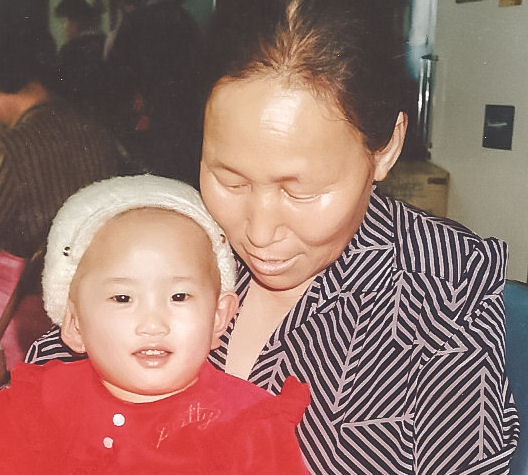




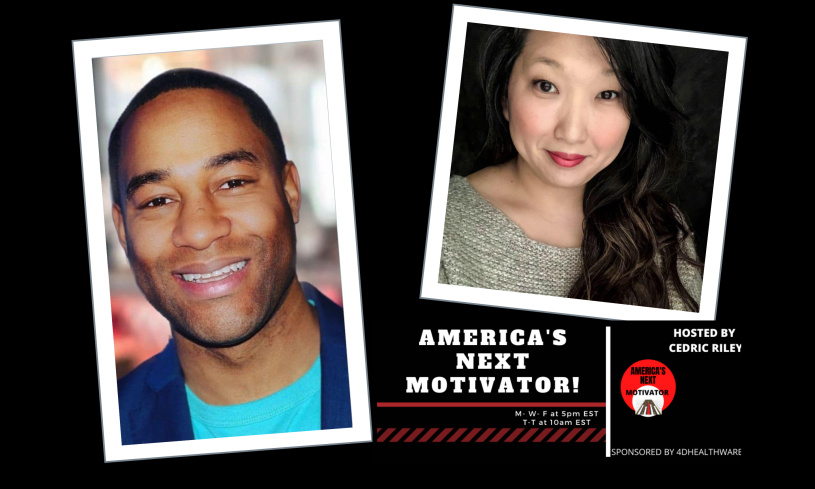
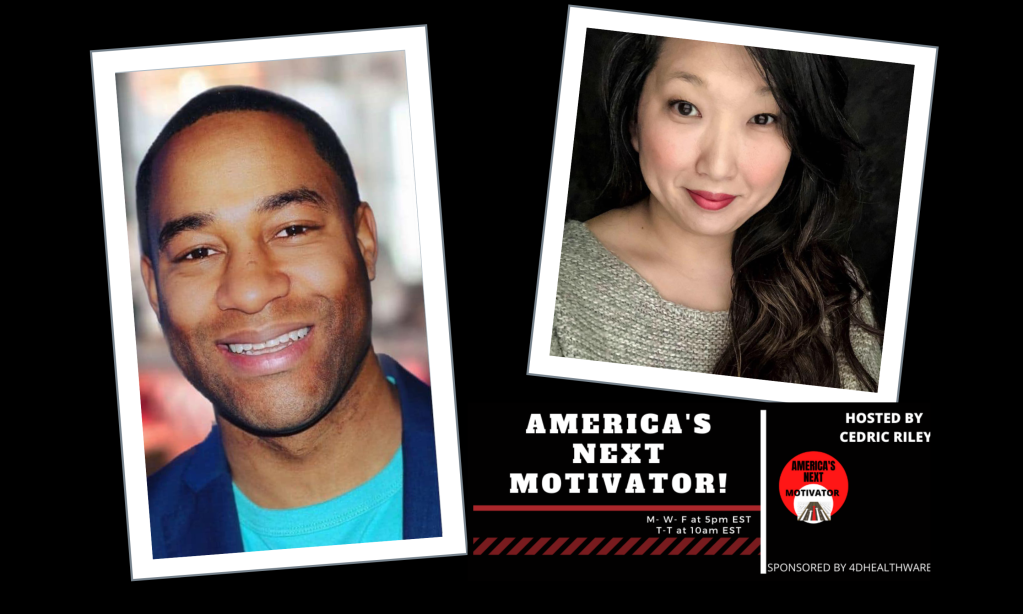





 Diary of a Not-So-Angry Asian Adoptee